The Black Country is full of places where history isn’t just remembered — it’s still alive. Nowhere captures that better than the Stourbridge Glass Quarter, a small but extraordinary pocket of the region where centuries of craftsmanship, industry, and creativity meet gentle walking routes, riverside views, and free cultural experiences.
If you’re looking for a summer day out that blends art, heritage, and peaceful outdoor exploration, the Stourbridge Glass Quarter Walk is one of the most rewarding free attractions in the West Midlands. It’s relaxed, photogenic, and packed with stories — the kind of walk where every building, sculpture, and canal bridge has something to say.
Where History Meets Art: The Heart of the Glass Quarter

Stourbridge has been known worldwide for glassmaking since the 1600s. For generations, master glassblowers created pieces that travelled across oceans — chandeliers for palaces, scientific glass for laboratories, and decorative works that became museum treasures.
Today, the Glass Quarter preserves that legacy through free galleries, outdoor sculptures, heritage buildings, and canal‑side walking routes. You don’t need tickets or a tour guide — just comfortable shoes and a curiosity for local history.
The walk is gentle, accessible, and ideal for families, photographers, and anyone who loves discovering hidden cultural gems.
Summer Highlights Along the Walk
1. Free Galleries & Exhibitions
Many of the studios and small galleries around the Glass Quarter open their doors for free, especially in summer. You can watch glass artists at work, browse exhibitions, and see pieces ranging from delicate ornaments to bold modern sculptures.
These spaces are perfect for slow exploration — the kind of browsing where you lose track of time because every shelf holds something fascinating.
2. Outdoor Sculptures & Heritage Buildings
The Glass Quarter isn’t just about what’s inside the galleries. The streets and canal paths are dotted with glass‑themed sculptures, industrial relics, and restored brick buildings that once housed furnaces and workshops.
They create a walking route that feels like an open‑air museum — one that’s completely free.
3. Riverside Paths & Quiet Walking Routes
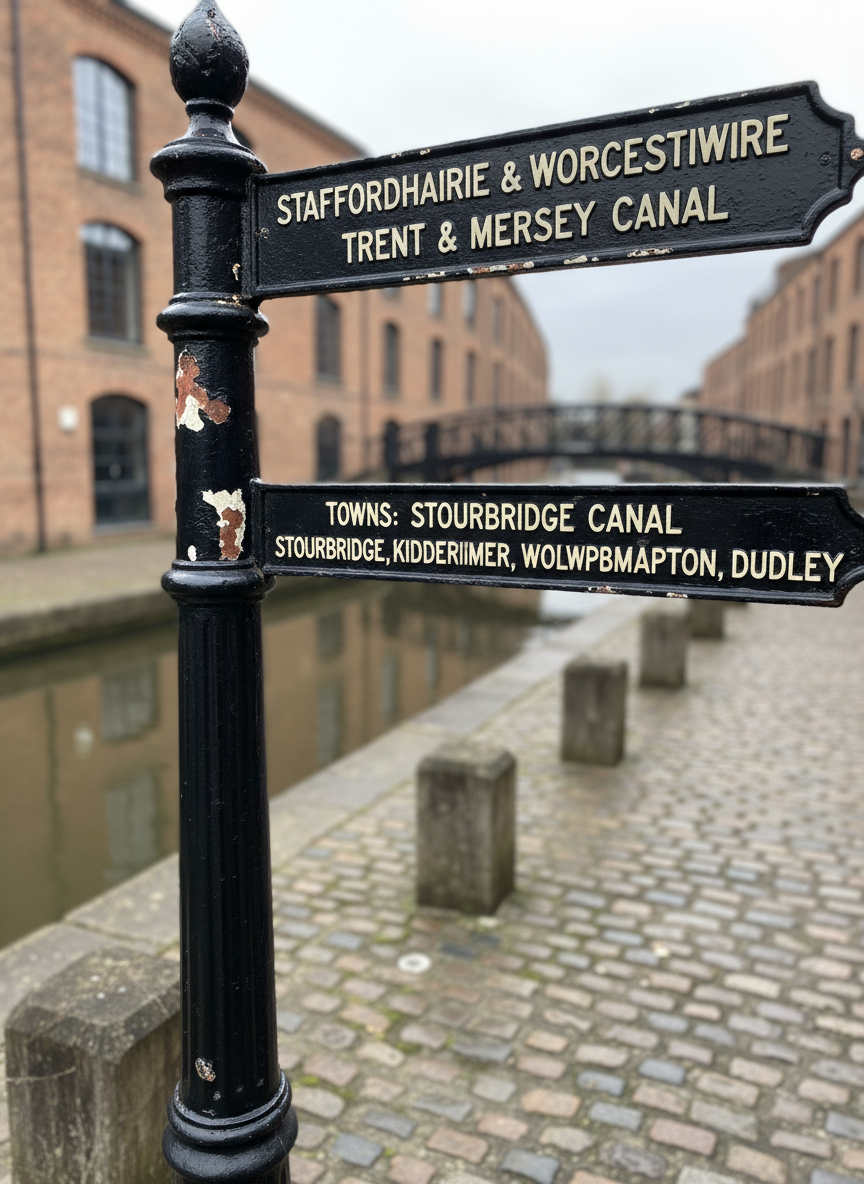
The Stourbridge Canal adds a peaceful rhythm to the walk. The towpaths are shaded, calm, and lined with wildlife. In summer, the water reflects the sky like a mirror, and the gentle curves of the canal make the walk feel meditative.
It’s a perfect contrast to the industrial heritage around you — nature and history side by side.
Local Tip: Visit the Red House Glass Cone Grounds
If you only visit one place on the walk, make it the Red House Glass Cone.
This iconic 18th‑century structure is one of the last surviving glass cones in Britain. It once housed roaring furnaces and teams of skilled craftsmen. Today, the grounds are free to explore, and the cone itself is a dream for photographers.
The curved brick walls, the dramatic shape, and the surrounding canal make it one of the most visually striking heritage sites in the Black Country.
Inside, you’ll often find:
- Free exhibitions
- Glassblowing demonstrations
- Local craft stalls
- Interactive displays for children
It’s the perfect blend of history and creativity — and a highlight of the entire walk.
Suggested Walking Route (Easy, 1–1.5 hours)

This gentle loop captures the best of the Glass Quarter:
Start: Red House Glass Cone
Explore the grounds, take photos, and browse the free exhibitions.
Walk Along the Stourbridge Canal
Follow the towpath past old bridges, wildlife spots, and heritage buildings.
Visit Local Galleries & Studios
Many are free to enter — look for signs outside small workshops.
Explore Outdoor Sculptures
You’ll find glass‑inspired pieces along the route, perfect for summer photography.
Return to the Cone or Continue Toward Stourbridge Town Centre
Grab a drink, visit a café, or extend your walk into the town’s historic streets.
This route is flat, accessible, and ideal for families or relaxed weekend explorers.
Why This Walk Is Perfect for Summer
Summer brings out the best in the Glass Quarter. The sunlight catches the glass sculptures, the canal sparkles, and the heritage buildings glow with warm colour. The walk is mostly shaded, making it comfortable even on hot days, and the mix of indoor and outdoor spaces means you can dip into galleries whenever you want a break.
It’s also one of the few cultural attractions where you can spend hours exploring without spending anything — a rare gift in today’s world.
Best Photo Spots
If you’re building content for social media or your Discover Black Country blog, these locations are gold:
- The Red House Glass Cone from across the canal
- The old brick bridges along the towpath
- Outdoor glass sculptures catching the sunlight
- Reflections on the Stourbridge Canal
- Heritage buildings with industrial textures
Each spot tells a story — and each one is free.
A Walk That Connects Past and Present
What makes the Stourbridge Glass Quarter Walk special isn’t just the history. It’s the feeling of connection — to the craftsmen who shaped molten glass into beauty, to the industrial heritage that built the Black Country, and to the artists who continue that tradition today.
It’s a walk where you can slow down, breathe, and appreciate the creativity that has defined this region for centuries.


Leave a Reply